
Interest in wellness retreats across Australia has grown significantly in recent years. More people are looking for ways to step away from the pace of everyday life and reconnect with rest, nature and a slower rhythm.
But as retreats become more popular, many people discover that not all retreats feel the same.
Some retreats host large groups with busy schedules and constant activity. Others are intentionally smaller and more spacious, designed to create quiet environments where participants can slow down and reconnect with themselves.
The Art of Rest retreats by Mellow Habits were created with this second approach in mind — intimate gatherings designed to support deep rest, reflection and connection with nature.
What is a wellness retreat?
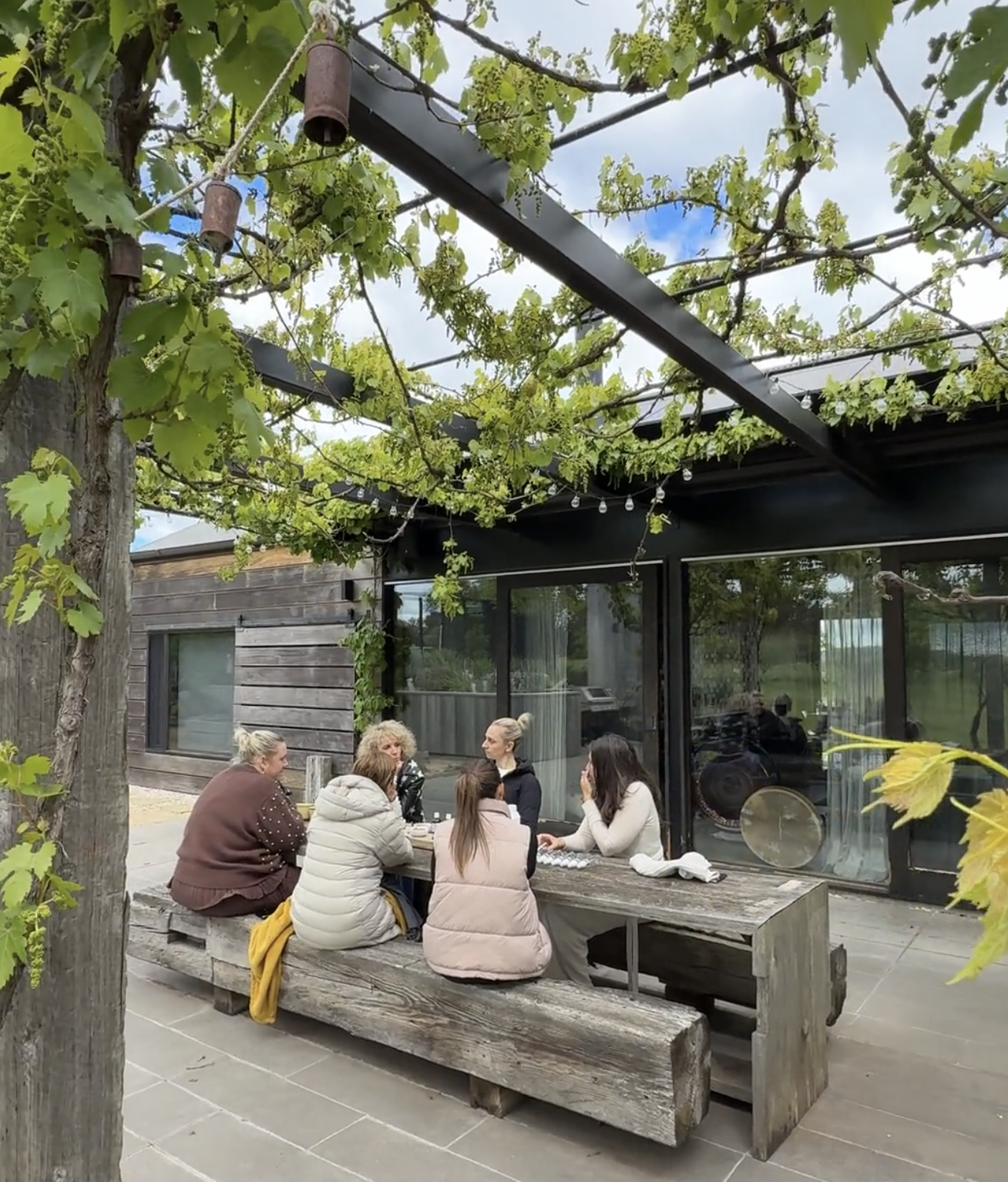
A wellness retreat is an immersive experience where people travel to a peaceful location for several days to focus on rest, wellbeing and personal reflection.
Across Australia, retreats are often hosted in natural environments such as forests, countryside properties or coastal landscapes. These settings help participants step away from their daily routines and enter a slower, more relaxed rhythm.
Wellness retreats may include practices such as meditation, breathwork, sound healing, gentle movement and time in nature. The intention is not to achieve anything in particular, but to create an environment where people can rest more deeply than they often can in everyday life.


Why people attend retreats
People attend retreats for many different reasons.
Some are seeking relief from stress or burnout. Others simply want time to slow down and reconnect with themselves.
Common reasons people search for retreats in Australia include:
• reducing stress and mental fatigue
• improving sleep and relaxation
• reconnecting with nature
• stepping away from digital distractions
• creating space for reflection
For many participants, the most valuable part of a retreat is the opportunity to pause and experience a different rhythm of living.
What happens at a wellness retreat?
While every retreat is different, most include a combination of guided experiences and quiet time for rest.
Participants might take part in practices such as:
• meditation sessions
• breathwork
• sound healing experiences
• time in nature
• reflective practices
Just as important as the guided sessions is the unstructured time between them. This is when participants can walk, journal, read or simply sit quietly and absorb the atmosphere of the retreat environment.
This balance between structure and spaciousness is what allows retreats to feel restorative rather than overwhelming.
Small retreats vs large retreat centres
One of the most common questions people ask when searching for retreats in Australia is whether smaller retreats offer a different experience compared to large retreat centres.
Large retreat centres may host dozens of participants at once and often follow a busy schedule of activities.
Smaller retreats tend to create a more intimate atmosphere.
With fewer participants, there is often more space for quiet reflection, deeper connection with the environment and more personal interaction with the retreat host.
Many people find that this smaller scale helps them relax more quickly and feel more supported throughout the retreat.
The Art of Rest retreats
The Art of Rest retreats hosted by Mellow Habits were created around a simple idea: that rest deserves to be intentional.
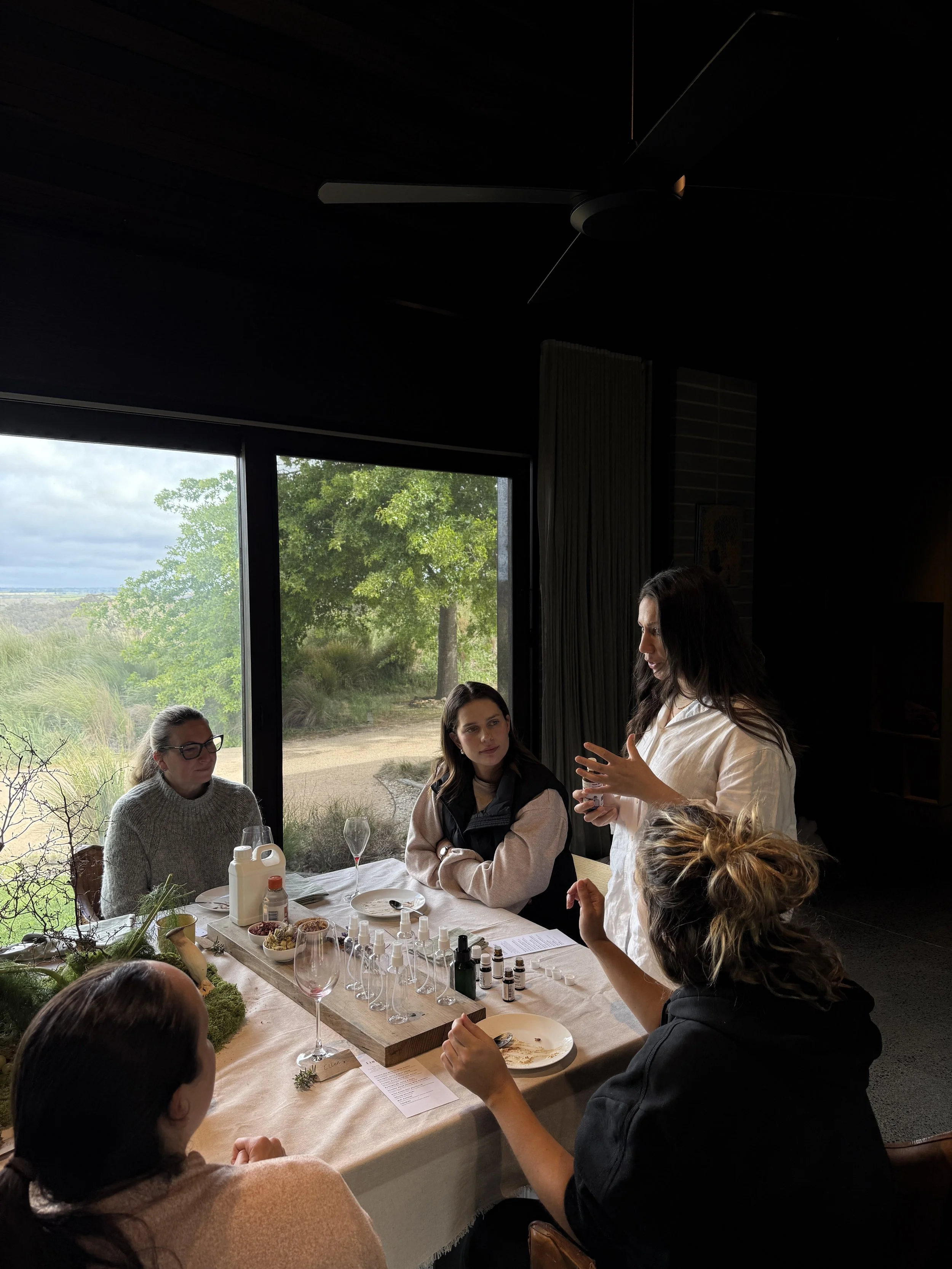
Rather than organising large retreat groups, these gatherings are intentionally small and carefully curated. Participants join a quiet environment where the focus is on slowing down and exploring different ways to rest.
Each retreat is personally hosted by Zara, the founder of Mellow Habits. Having the same host guiding each retreat creates a sense of consistency and familiarity, allowing participants to feel supported throughout the experience.
The retreats often include practices such as:
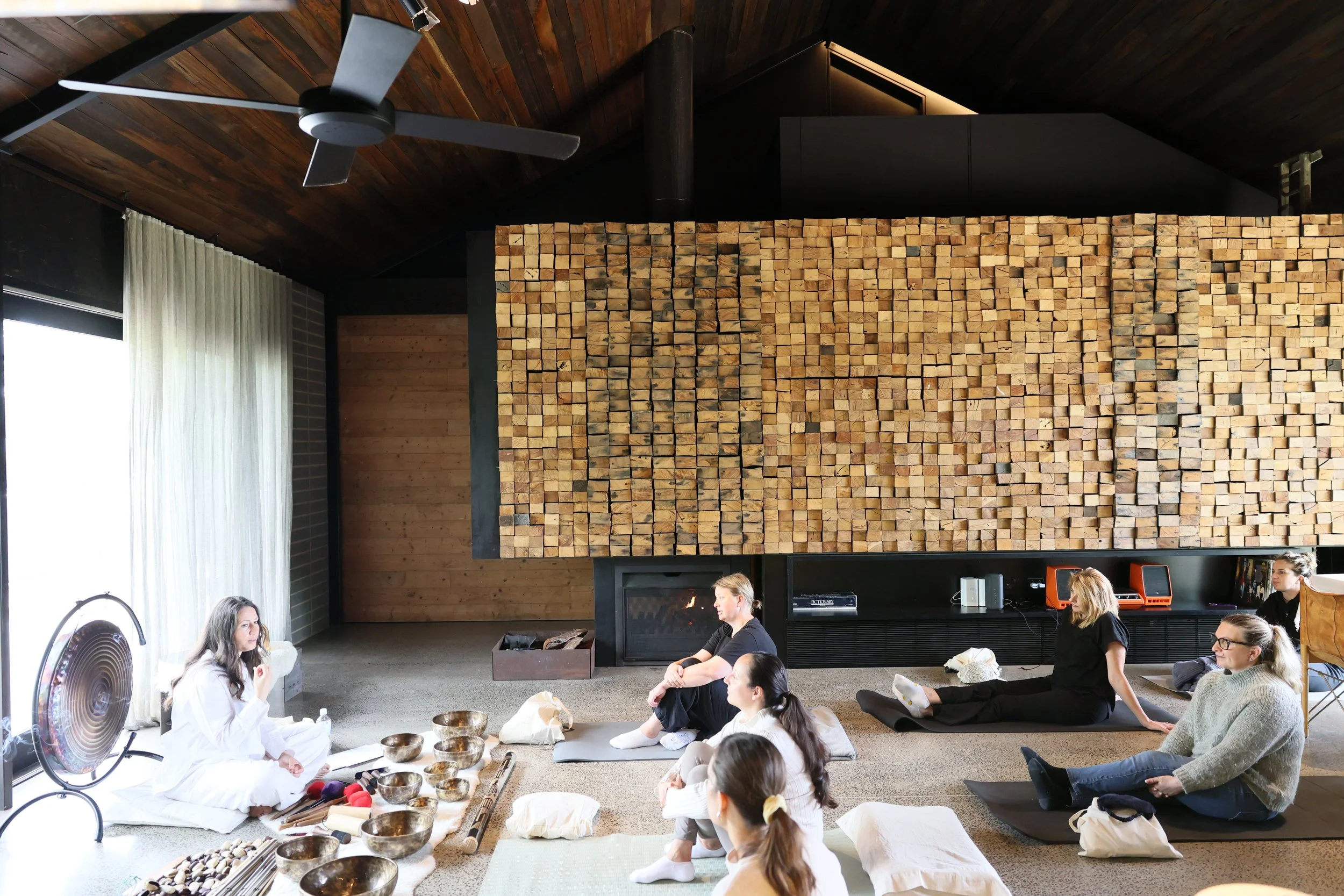
• immersive sound baths
• meditation and reflective experiences
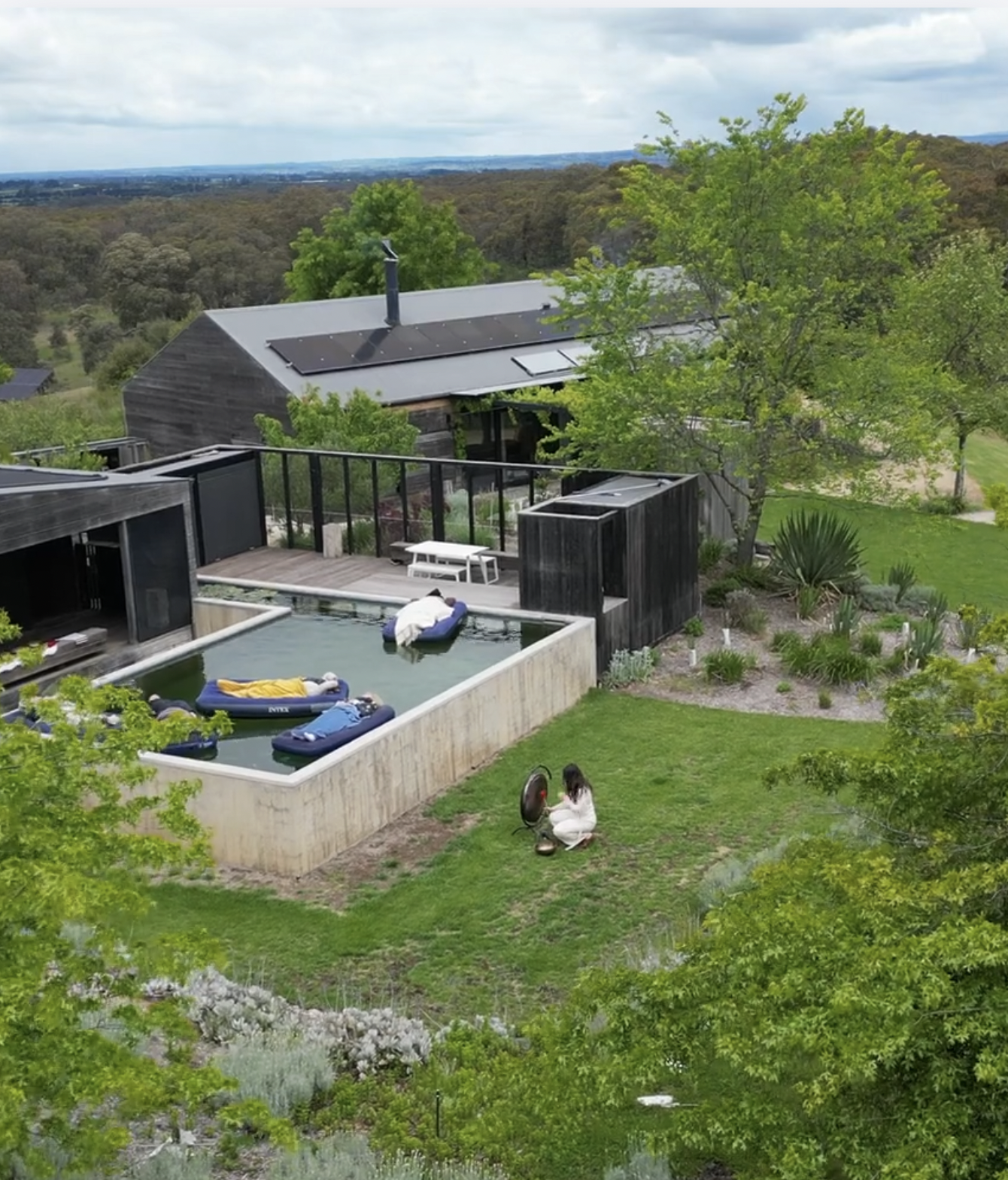
• floating sound experiences when the environment allows
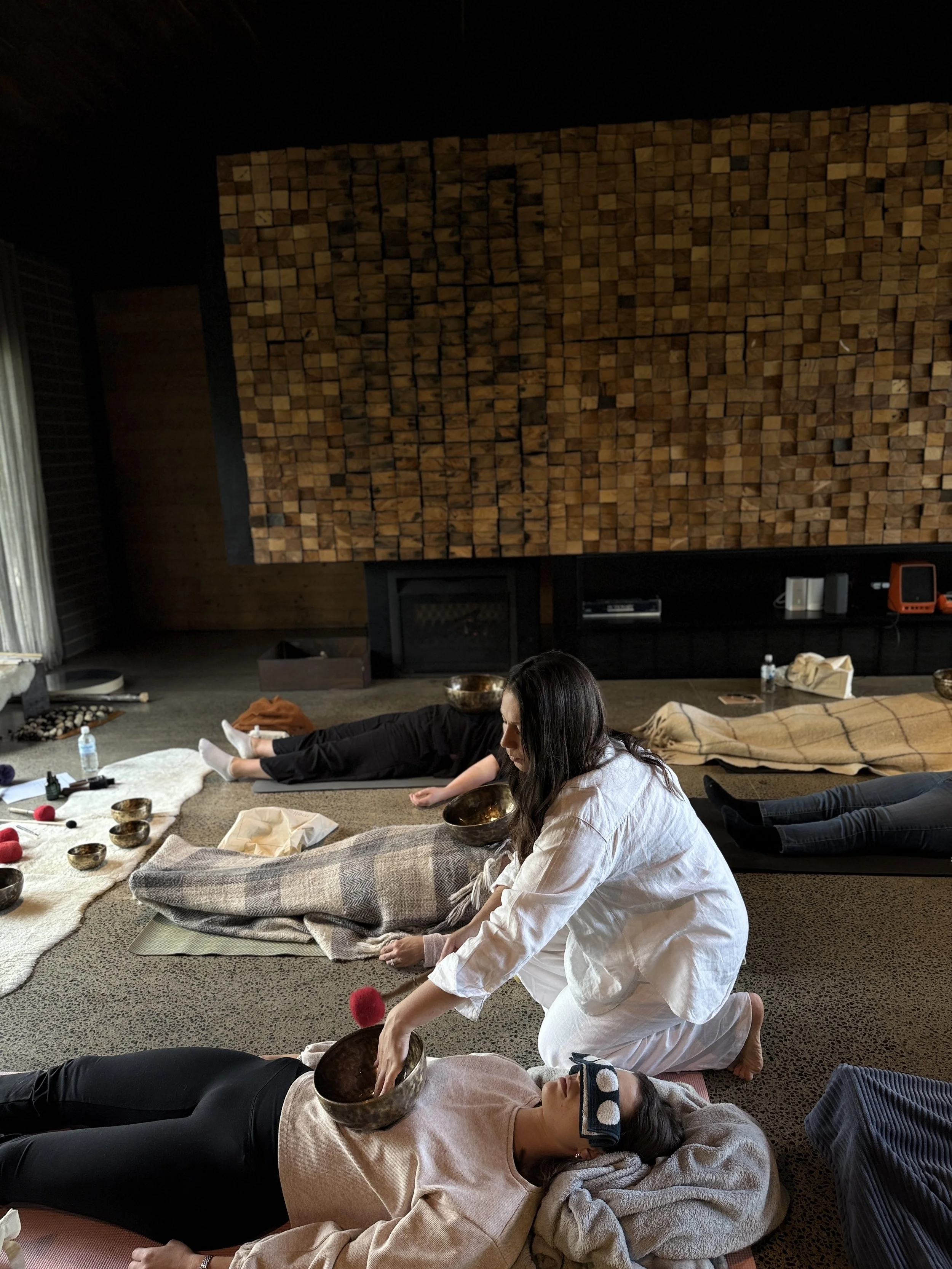
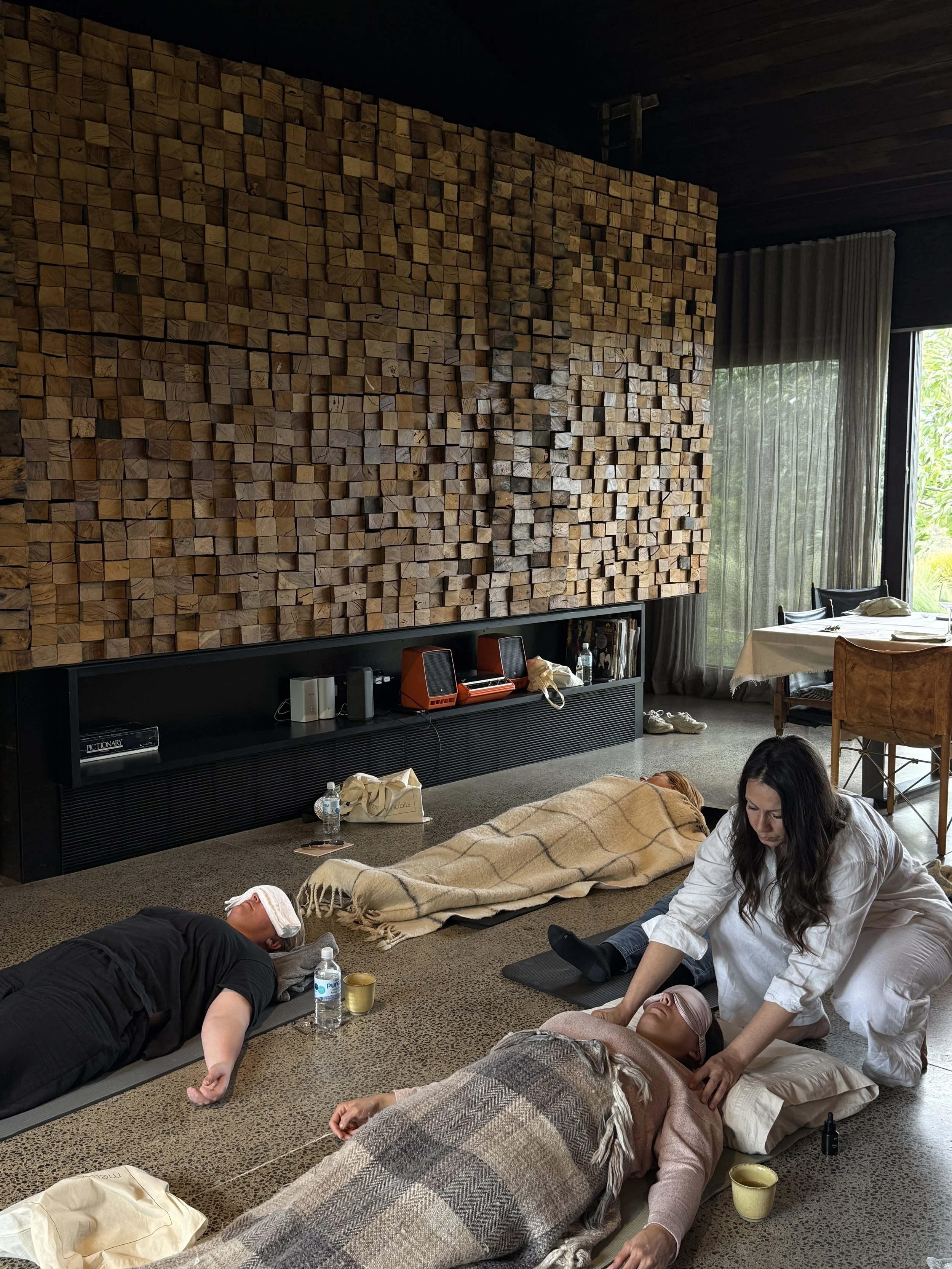
• vibrational sound massage
• gentle breathwork
But rest is explored in many forms.
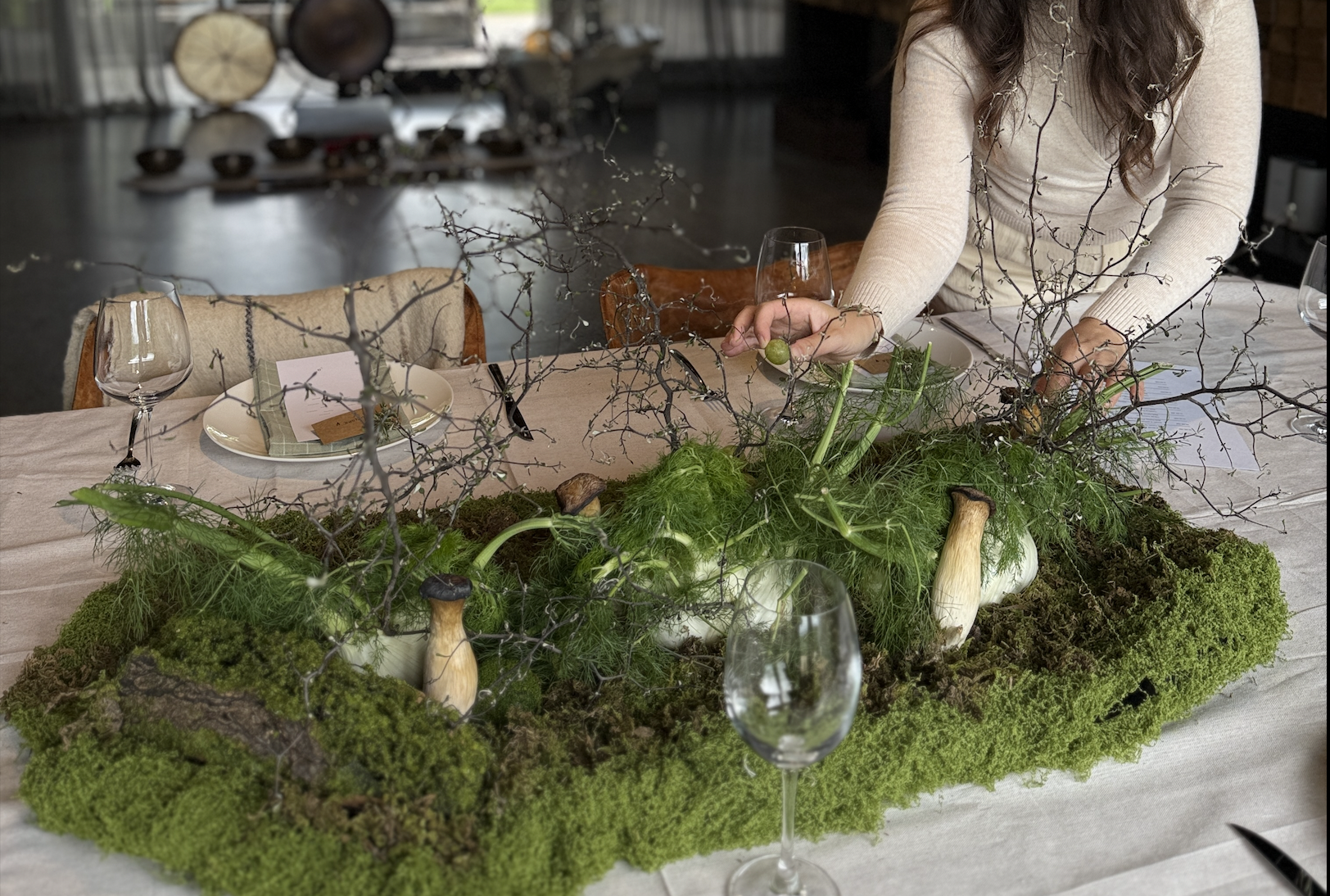
Some experiences during the retreat might involve simple, grounding activities such as cooking together, tending a garden or engaging in creative immersion. These activities allow participants to reconnect with slower, more tactile ways of being present.
Rather than following a rigid schedule, the retreats are designed to create a natural rhythm that encourages participants to relax into the experience.
Unique retreat locations
One of the defining aspects of Mellow Habits retreats is the careful selection of location.
Rather than hosting retreats in large commercial retreat centres, each retreat takes place in a unique environment that supports calm and reflection.
These locations are often surrounded by nature — quiet countryside properties, forest landscapes or coastal settings where participants can spend time outdoors and reconnect with the natural world.
The environment itself becomes part of the retreat experience.
Walking through forests, sitting near water or simply observing the landscape can be just as meaningful as the guided sessions.
Sound, stillness and sensory experiences
Sound plays a central role in the Art of Rest retreats.
Participants experience immersive sound baths using resonant instruments such as crystal bowls and gongs, allowing them to lie down and enter a deeply relaxed state.
Some retreats also include floating sound experiences, where participants rest gently on water while listening to sound frequencies in a natural setting.
Another element sometimes included is vibrational sound massage, where instruments are placed near the body so participants can experience the subtle vibrations of sound more directly.
These sensory experiences are designed to help participants slow down and reconnect with the present moment.
How to choose the right retreat
When searching for wellness retreats in Australia, it can be helpful to consider a few key questions.
For example:
• How many participants will attend the retreat?
• Who will be guiding the experience?
• Is the schedule highly structured or spacious?
• What type of environment will the retreat take place in?
• What practices are included?
For people who prefer quieter environments and smaller groups, intimate retreats can offer a more personal and supportive experience.
Creating space for rest
In a world where many people feel constantly busy, retreats offer something increasingly rare: the opportunity to pause.
The Art of Rest retreats were created to hold that space.
By gathering small groups in unique natural environments and guiding them through gentle practices such as meditation, sound healing and creative immersion, the retreats invite participants to step away from everyday pressures and reconnect with stillness.
Sometimes the most meaningful experiences are the simplest ones — time in nature, quiet moments of reflection and the permission to rest.
experience our Art of Rest retreats.