
How to Calm Your Nervous System Naturally (When You Feel Constantly On Edge)
There’s a specific kind of feeling many people are carrying right now.
Not quite anxiety.
Not quite stress.
But a constant sense of being slightly “on.”
You might notice it as:
Restlessness in your body
A tight chest or shallow breath
Difficulty switching off, even when you try
Feeling tired, but wired at the same time
This isn’t just in your mind.
It’s your nervous system staying activated for longer than it should.
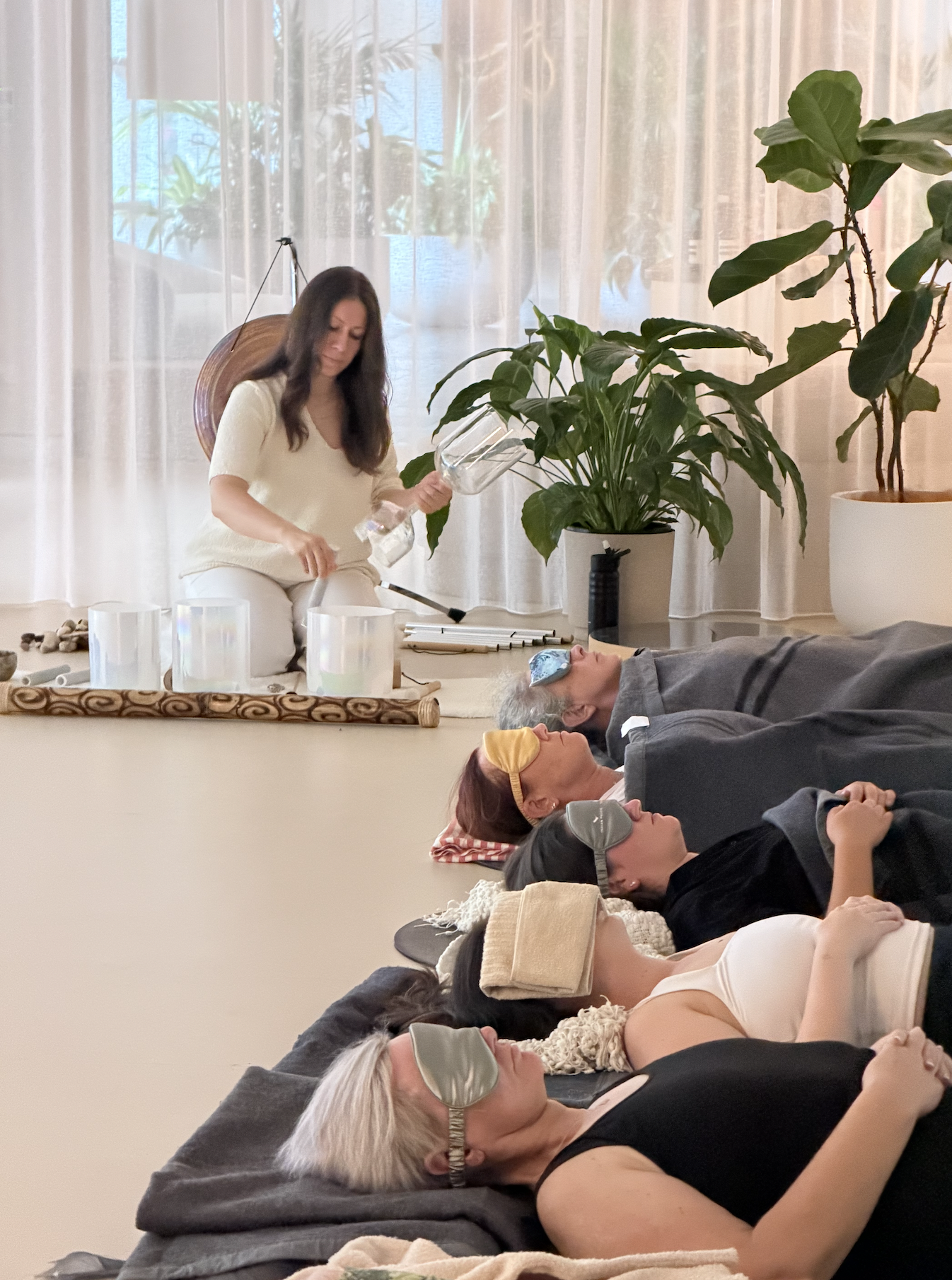
Your nervous system is responsible for how your body responds to the world around you.
What Does It Mean to Calm Your Nervous System?
Your nervous system is responsible for how your body responds to the world around you.
When it’s activated (often called a stress response), your body prepares for action:
Heart rate increases
Breathing becomes quicker
Muscles tense
This is useful in short bursts.
But modern life rarely gives us a clear “off switch.”
Instead, many people stay in a low-level stress state throughout the day, without realising it.
Calming your nervous system isn’t about forcing yourself to relax.
It’s about giving your body the right signals so it can shift out of that state naturally.
Why You Might Feel Constantly On Edge
There isn’t usually one single cause.
It’s often a combination of:
Constant digital stimulation
High mental load and responsibility
Lack of true downtime
Environmental noise and pressure
Over time, your body adapts to this as its “normal.”
So when you finally stop, it doesn’t immediately feel calm.
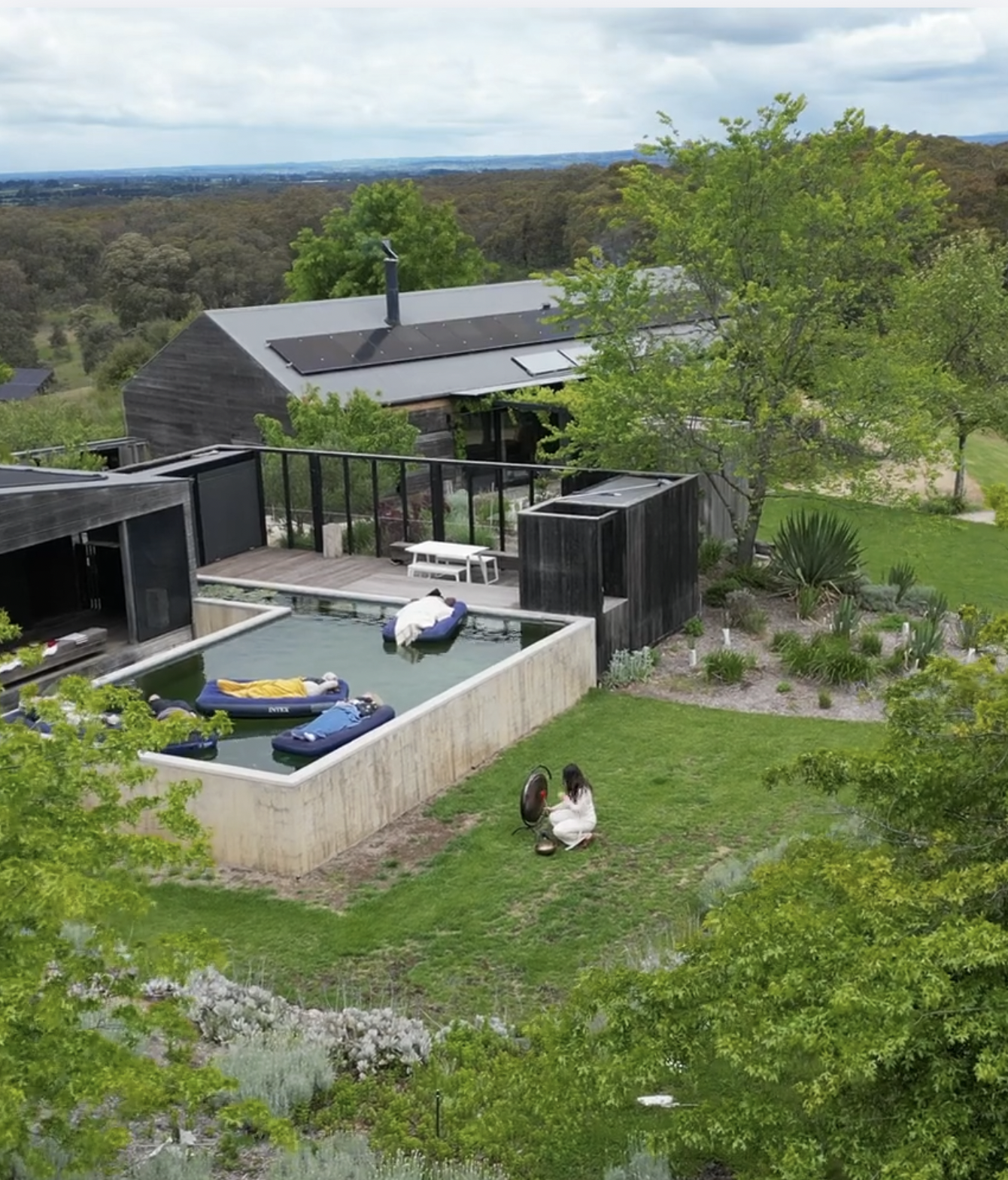
One of the most common mistakes people make is trying to calm their thoughts.
The Key Shift: Calm the Body First
One of the most common mistakes people make is trying to calm their thoughts.
But the body leads.
When your body begins to slow down:
Your thoughts follow
Your breathing deepens
You feel more grounded without forcing it
This is why physical, sensory-based practices are so effective.
Simple Ways to Calm Your Nervous System Naturally
You don’t need anything complicated.
These small shifts can have a noticeable effect:
1. Lengthen your exhale
Breathe in gently, then extend your exhale slightly longer.
This signals to your body that it’s safe to relax.
2. Reduce stimulation
Dim lighting, lower noise, and step away from screens—especially in the evening.
3. Spend time in stillness
Even a few minutes of doing nothing can begin to settle your system.
4. Use sound to guide your body
Slow, repetitive sound can help regulate internal rhythms and bring your body into a calmer state.
Why Sound Can Be So Effective
Unlike many approaches that rely on effort, sound works more passively.
Certain tones and frequencies can:
Slow brainwave activity
Reduce internal tension
Support the body in dropping into deeper rest states
For people who find it hard to switch off, this can be one of the most accessible ways to experience calm.
You’re Not Meant to Feel This Way All the Time
Feeling constantly alert isn’t your baseline.
It’s often a response to the pace and demands of modern life.
With the right inputs, your system can shift.
And when it does, everything changes:
Your sleep improves
Your energy feels more stable
Your mind becomes quieter
Not because you forced it…
but because your body finally had space to slow down.
A Different Approach to Rest
At Mellow Habits, we focus on creating environments and experiences that help the body move into these states more naturally.
Through sound, breath, and sensory design, the aim is simple:
to support deep rest, nervous system regulation, and a slower, more grounded way of being.
If you’ve been feeling constantly on edge, it may not be about doing more—
but about learning how to let your system soften.