
Rest and Longevity: Why Genuine Rest Is a Longevity Strategy, Not a Luxury
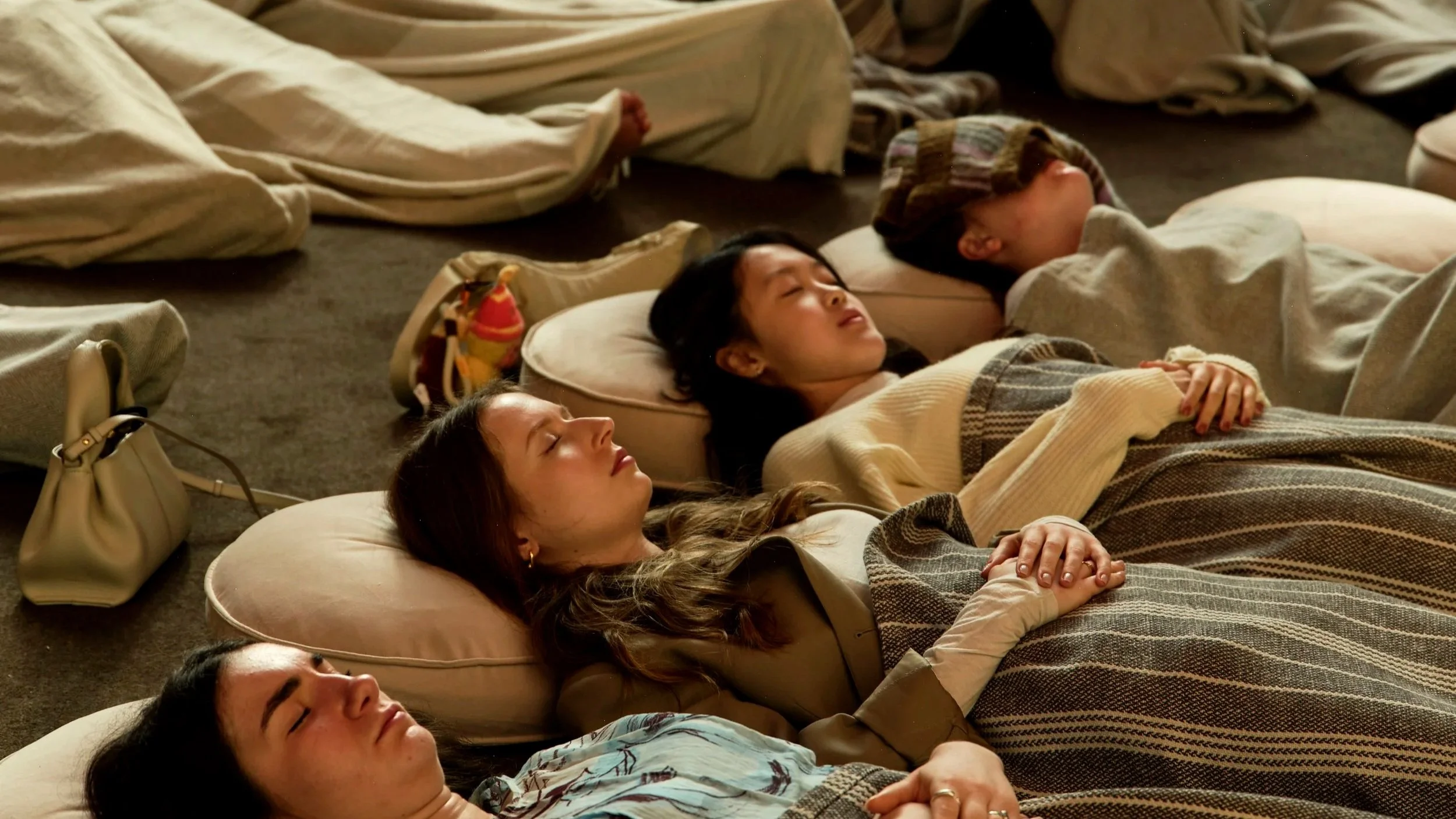
We have been sold the wrong story about longevity.
We are told it lives in supplements. In blood panels. In cold plunges and red light masks and the right combination of peptides. We are told if we just optimise hard enough, track enough, biohack enough, we will live longer, better lives.
Almost nobody is talking about the thing sitting quietly underneath all of it.
Genuine, deliberate rest measurably lowers cortisol, reduces inflammatory markers linked to ageing, and shifts the nervous system into the repair state where cellular maintenance actually happens. It is one of the most evidence backed, least talked about longevity tools available.
Not sleep. Not a nap. Not a Sunday spent half watching Netflix while still answering emails on your phone. Actual, deliberate, nervous system rest. The kind most of us have not experienced in years.
Here is why that matters more than almost anything else on the longevity list.
How Rest Affects Longevity: Your Body's Two Nervous System States
Underneath everything, your nervous system runs on two modes.
One is sympathetic. This is fight or flight. It is the mode your body switches into when you are stressed, rushing, scrolling, multitasking, or simply existing in modern life. Heart rate up. Cortisol up. Digestion down. Immune function down.
The other is parasympathetic. This is rest and repair. This is the mode where your body actually does its maintenance work, repairing cells, regulating inflammation, consolidating memory, restoring hormonal balance.
The problem is simple. Most of us live almost permanently in the first mode. Even when we think we are relaxing. Even when we are technically not working. Our body is often still running the stress response in the background, simply because it has forgotten how to switch off.
What the Science Says About Rest, Cortisol and Ageing
This is not just a nice idea. It is measurable.
Sustained periods of genuine rest, the kind found in deep mindfulness, breathwork and immersive practices, have been shown to lower cortisol by 20 to 30 percent. Inflammatory markers in the blood, the same markers linked to accelerated ageing and chronic disease, drop measurably. Anti-inflammatory markers, the ones that support immune function and cellular repair, increase.
Blood pressure improves. Heart rate variability improves, which is one of the strongest indicators we have of how well your nervous system is actually functioning.
These are not small, fluffy wellness claims. These are the same biomarkers doctors use to assess long term health risk.
In other words, rest is not the opposite of doing something for your longevity. Rest is one of the most direct things you can do for it.
Why Rest Gets Overlooked as a Longevity Tool
The reason rest does not get the same airtime as supplements or fitness trackers is simple. It does not sell easily. There is no product to buy, no number on a screen to obsess over, no before and after photo.
But your body does not care what is trendy. It cares whether it ever gets the chance to switch out of survival mode and into repair mode.
And here is the part most people do not realise. A short nap or a few deep breaths before bed is not the same thing as genuine, sustained nervous system rest. The kind that actually moves the biomarkers above takes longer than five minutes between meetings. It requires the body to feel safe enough, and undistracted enough, to fully let go.
How to Practice Genuine Rest for Longevity
This is exactly why sound, breathwork and stillness based practices have such a measurable effect. They are not just pleasant. They are one of the few modern tools that genuinely interrupt the sympathetic loop and give the body permission to drop into parasympathetic repair, often within minutes.
It is also why a single hour rarely creates lasting change, but a sustained practice, or a few days fully immersed in it, can shift something that lingers for weeks afterwards. The nervous system needs enough time and enough safety to actually believe it is allowed to rest.
Having facilitated sound and breathwork based rest experiences for hundreds of people across corporate teams, luxury retreats and hospitality settings, this is the pattern I see consistently. The people who feel a genuine shift are not the ones doing five minutes here and there. They are the ones who give the nervous system a real, sustained window to fully let go.
The Real Question
If longevity is something you genuinely care about, the question worth asking is not only what are you optimising.
It is also, when did you last let your body fully stop.
Not numb out. Not collapse from exhaustion at the end of the day. Properly, deliberately rest, in a way that lets your nervous system do the repair work it is designed to do.
That is not indulgence. That is one of the most evidence backed longevity practices available to you. It is simply the one nobody is selling.
Written by Zara, founder of Mellow Habits, a sound and breathwork practitioner working with corporate teams, luxury hotels and private retreats across Australia and internationally.