
The Art of Rest: Why One Type of Rest Is Never Enough
Most of us think rest means one thing. Sleep. Maybe a quiet weekend. Maybe a holiday where we finally switch off.
Physician and researcher Dr. Saundra Dalton-Smith identified seven distinct types of rest the body and mind actually need: physical, mental, sensory, emotional, social, spiritual and creative. Her research found that many people can sleep a full eight hours and still wake up exhausted, simply because sleep only addresses one of the seven.
This is the exact idea The Art of Rest is built around. Not a single afternoon of relaxation, but a deliberate, multi day experience designed to touch several of these rest types at once, because that is what genuinely allows the nervous system to recover.
The Seven Types of Rest, and How a Retreat Touches Each One
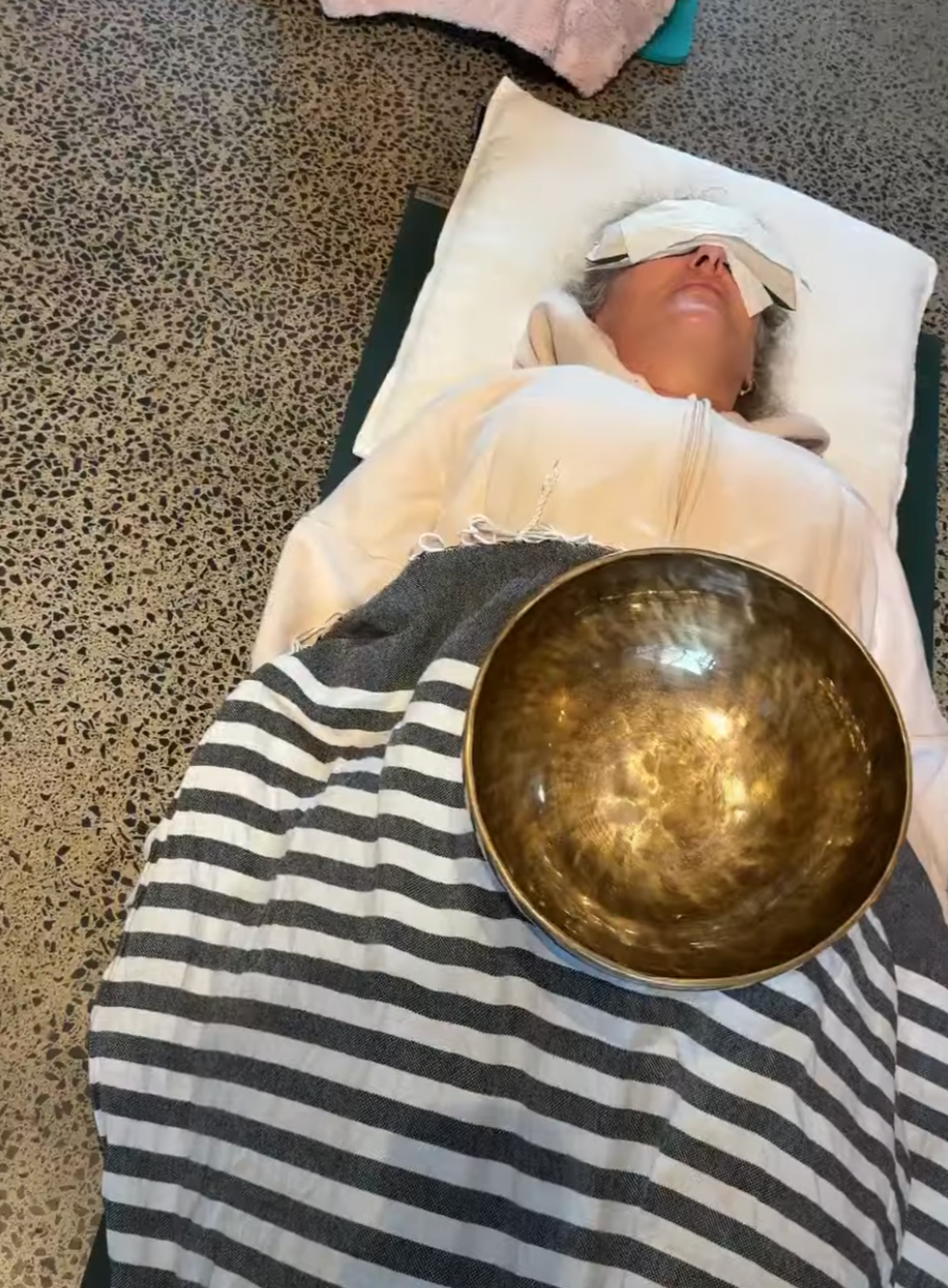
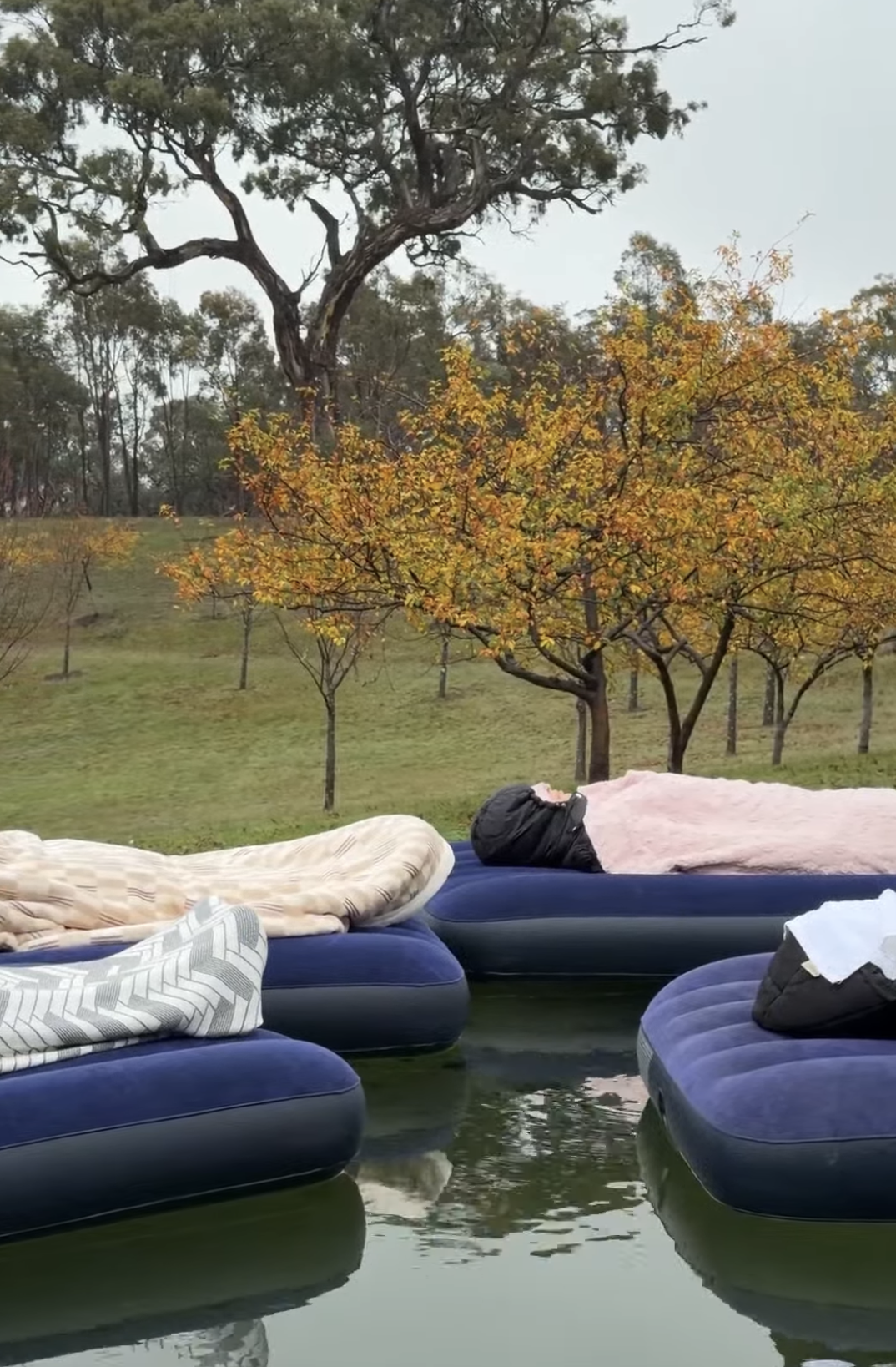
Physical rest is the most obvious. Sleep, stillness, the body finally lying down without an agenda. This is where floating sound baths and on-body vibrational massage do their work, the body softening completely while sound moves through it.
Sensory rest comes from reducing the constant input most of us live inside, screens, notifications, noise, decisions. A retreat strips this away almost entirely. No phones buzzing. No to-do list. Just quiet, nature and space.
Mental rest is the break from constant problem solving and decision making. Guided breathwork gives the mind somewhere to land other than its usual loop of thoughts.
Emotional rest is the chance to be fully yourself, without performing for anyone. This often shows up in the quiet conversations around the table, the ones that happen naturally once everyone has dropped their guard.
Social rest is being around people who do not drain you. Small, intentional groups of women who arrive as strangers and leave understanding each other in a way that surprises everyone.
Spiritual rest is a sense of connection to something larger, whether that is nature, stillness, or simply a moment of genuine presence. This tends to arrive quietly, often during the sound work itself.
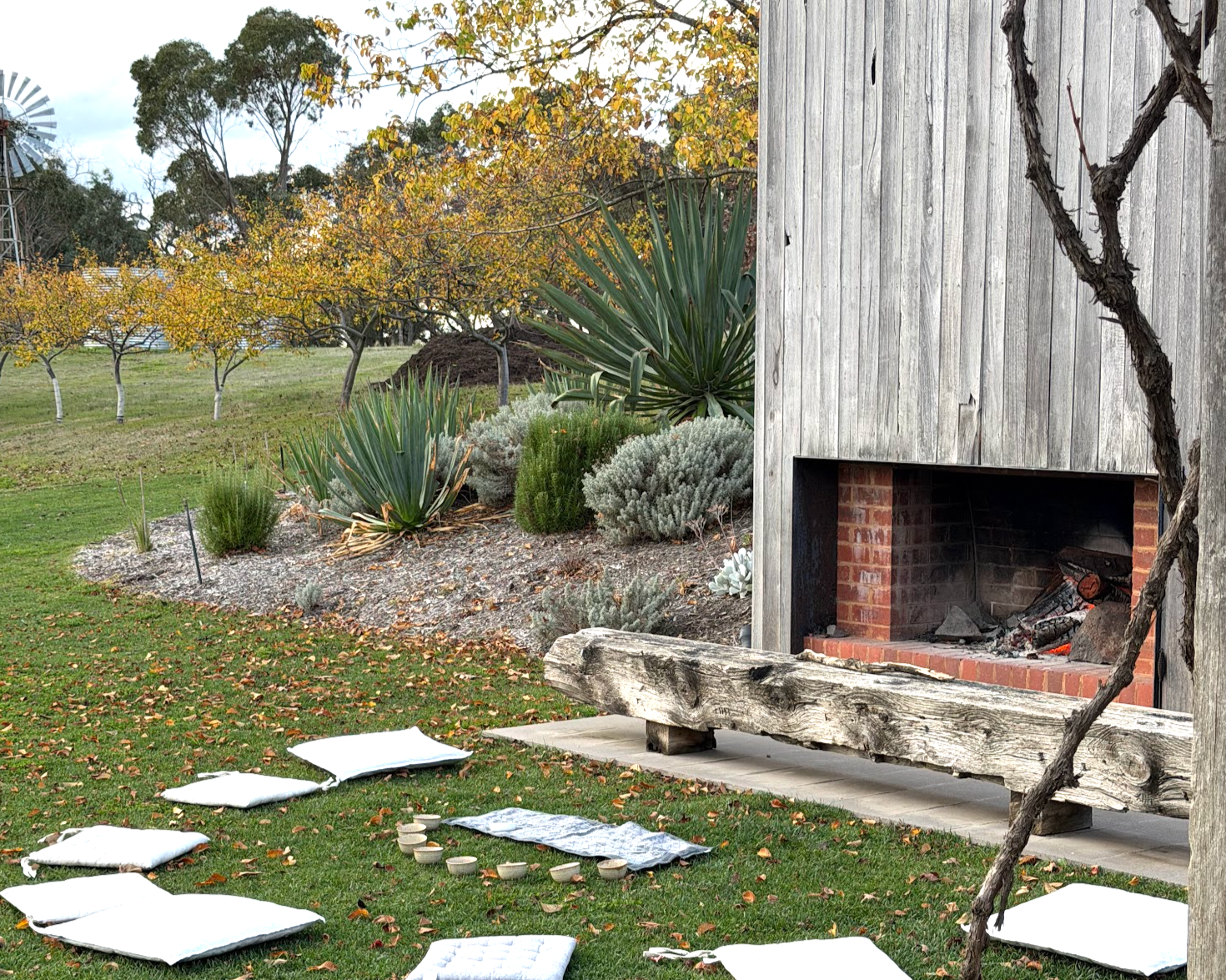
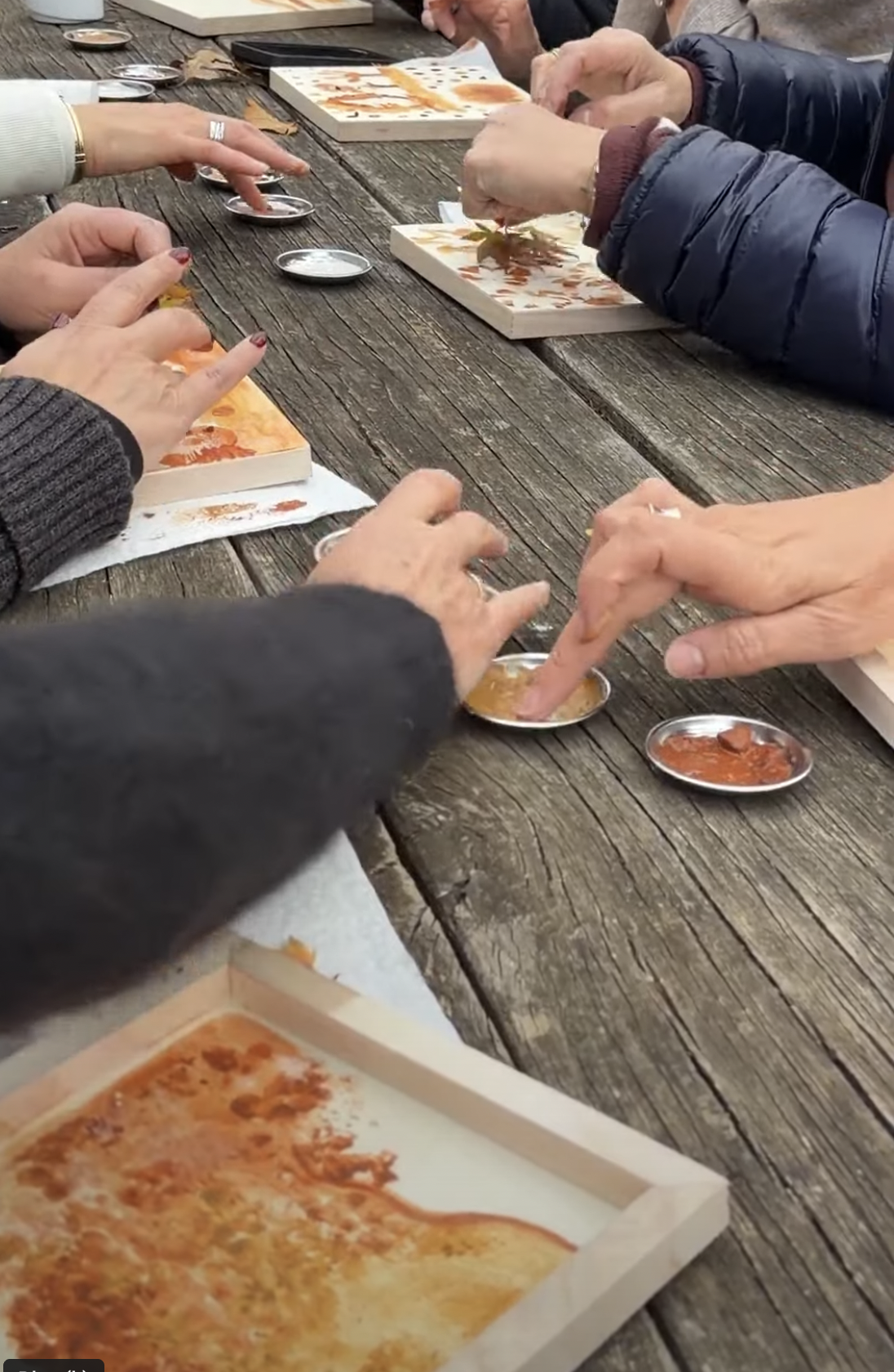
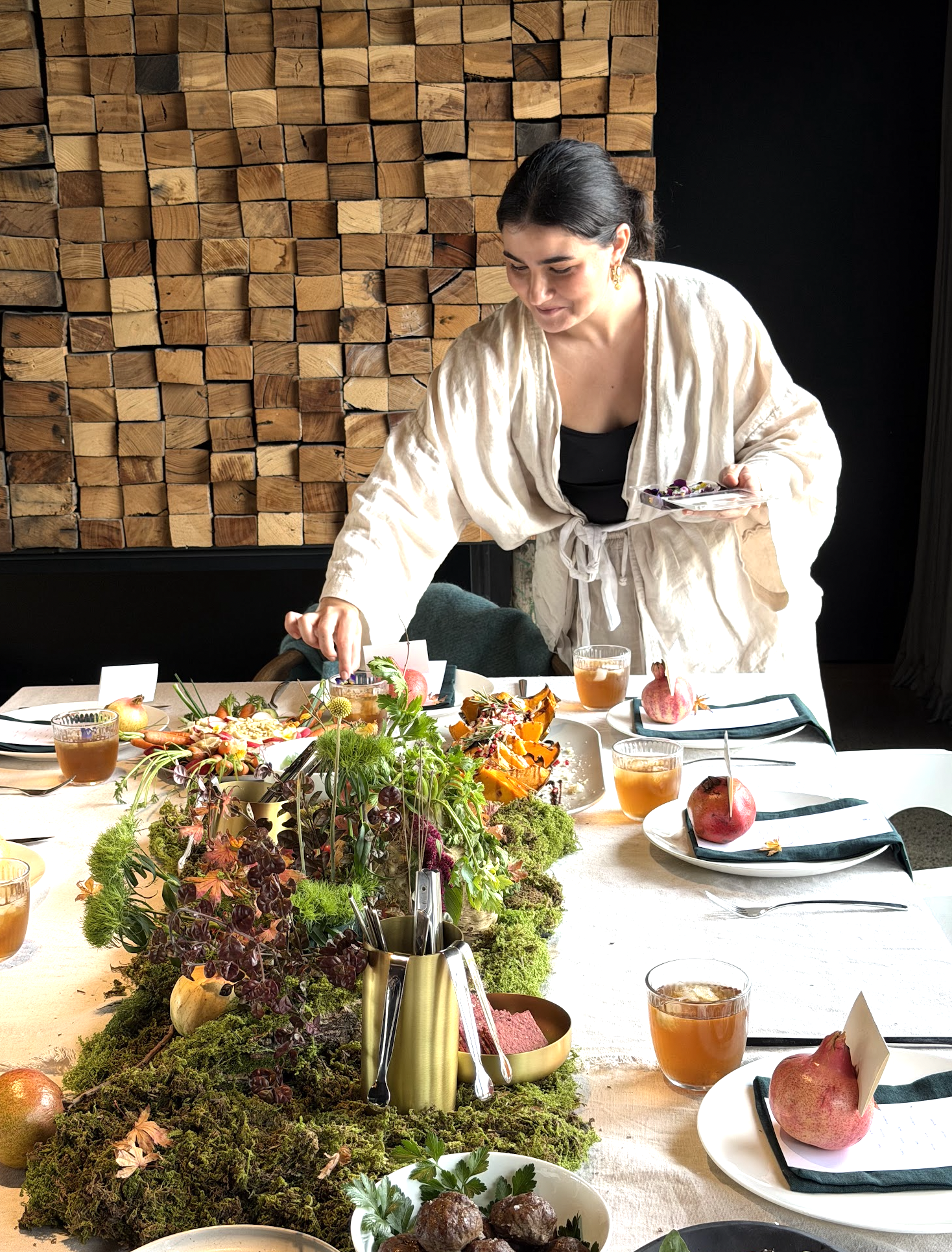
Creative rest comes from beauty, awe, and being somewhere visually and sensorially nourishing, a fire at night, the light through trees, a beautifully set table. The senses given something to delight in rather than endure.
What This Looked Like in the Victorian Countryside
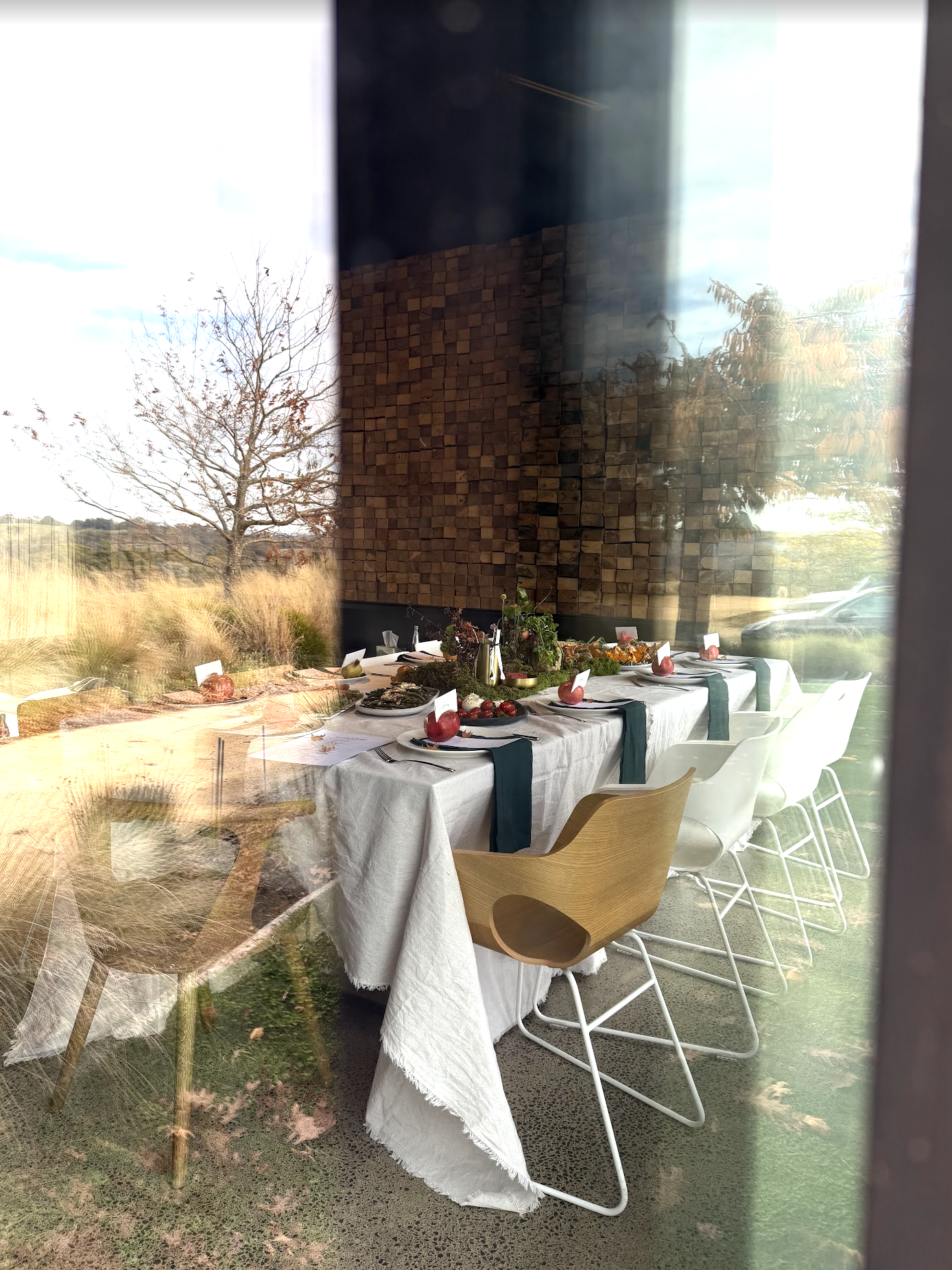
Our most recent Art of Rest retreat was held in the Victorian countryside, in autumn. Every detail was considered with this framework in mind, from the table settings to the order of the day to the quiet hours built in with nothing scheduled at all.
Guests floated. They rested by fire. They shared meals in silence and in conversation, both by design. They left with simple breath and grounding techniques they could actually use again, not just a memory of a beautiful few days.
One guest later wrote that she could still close her eyes and return to that day, months afterward, in the middle of something hard. Another said the retreat taught her that rest is not something you earn. It is something you are allowed to have.
That is not an accident. It is what happens when several types of rest are addressed at once, in a setting designed specifically to hold space for it.

Where The Art of Rest Is Heading Next
This September, The Art of Rest moves to Bali. A different landscape entirely, tropical rather than autumnal, but built on exactly the same foundation. Small group. Private villa. The same intention, the same attention to sensory, physical, emotional and social rest, simply expressed through a new setting.
If the idea of addressing more than one kind of exhaustion at once resonates, it is worth asking which type of rest you have been missing for the longest.
Written by Zara, founder of Mellow Habits, facilitator of immersive sound and rest experiences for private clients, corporate teams and luxury hospitality properties across Australia and internationally.